

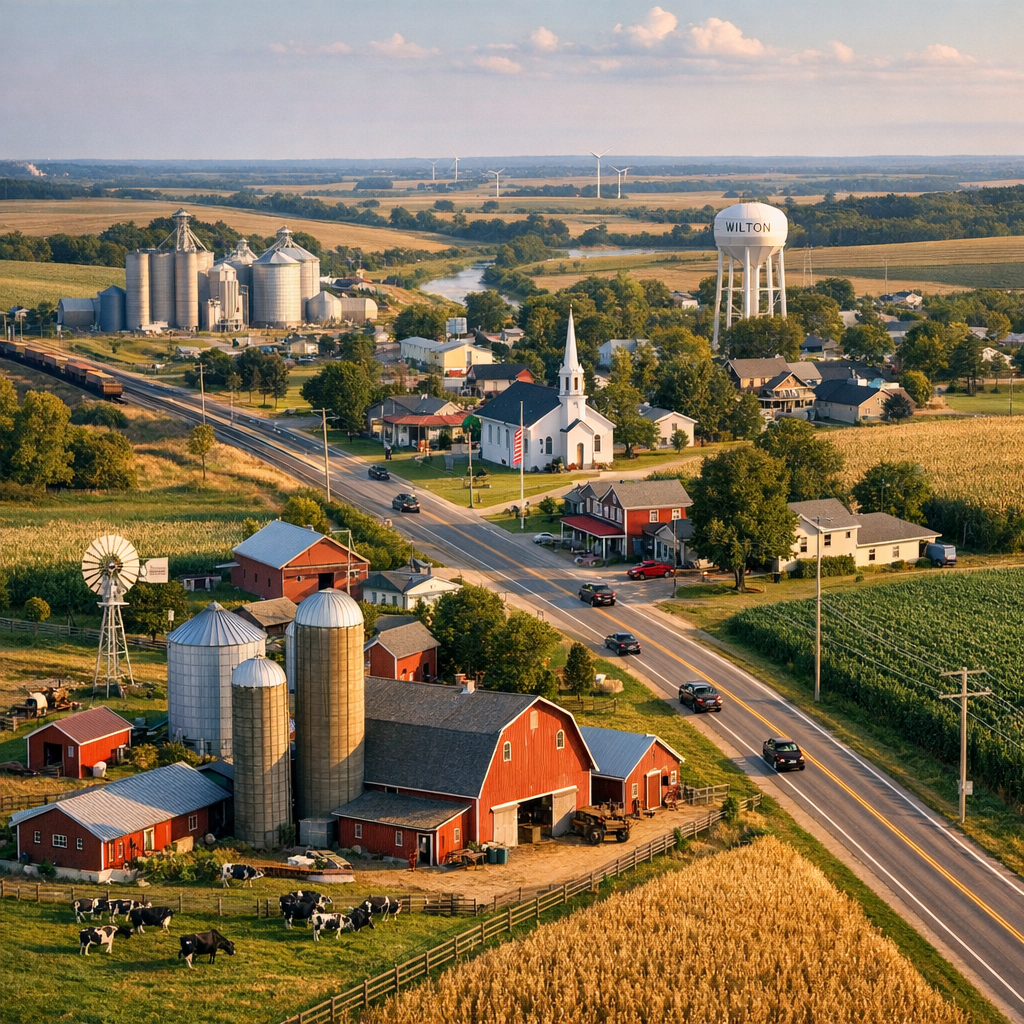
Federal economic policies play a pivotal role in shaping the economic landscape of rural communities across the United States, including towns like Hutchinson, Minnesota. These policies encompass a range of initiatives, from agricultural subsidies to infrastructure investments, each carrying distinct implications for rural economies.
Agricultural Policies and Rural Economies
Agriculture remains a cornerstone of many rural economies. Federal farm policies, such as subsidies and conservation programs, directly affect agricultural productivity and, by extension, the economic health of rural areas. For instance, studies have shown that certain farm policies can influence local industries connected to agriculture, including services, banking, and manufacturing sectors. Policies that reduce agricultural production without compensatory measures can lead to economic downturns in these interconnected industries.
Infrastructure Investments and Economic Growth
Infrastructure development is another critical area where federal policies impact rural communities. Historical initiatives like the Rural Electrification Administration in the 1930s significantly boosted agricultural productivity and land values by providing electricity to rural farms. Modern parallels can be drawn with investments in broadband internet and renewable energy infrastructure, which have the potential to create jobs and stimulate economic growth in rural areas.
Challenges and Considerations
Despite the benefits, challenges persist. Proposed federal budget changes that favor large agribusinesses over small farmers can accelerate agricultural consolidation, leading to depopulation and economic decline in rural communities. Additionally, cuts to programs like Medicaid may threaten the viability of rural hospitals, which are essential for both healthcare and employment in these areas.
Looking Ahead
For communities like Hutchinson, staying informed about federal economic policies is crucial. Engaging with policymakers to advocate for initiatives that support small farmers, invest in infrastructure, and preserve essential services can help ensure the continued vitality of rural economies.